DVR Adoption in the US

The Pew Research Center for the People & the Press found that DVR ownership in the US was 3% in 2002 and rose to 35% in 2008.
Technology Adoption Rates in the US, 1996 - 2008


I saw up close and personal Presidents Gerald Ford and George H.W. Bush succumb to panicked decisions to raise taxes, as well as Jimmy Carter's emergency energy plan, which included wellhead price controls, excess profits taxes on oil companies, and gasoline price controls at the pump.The consequences of these actions were disastrous. Just look at the stock market from the post-Kennedy high in early 1966 to the pre-Reagan low in August of 1982. The average annual real return for U.S. assets compounded annually was -6% per year for 16 years. That, ladies and gentlemen, is a bear market. And it is something that you may well experience again. Yikes!
Laffer has a new book out on the subject: "The End of Prosperity: How Higher Taxes Will Doom the Economy--If We Let It Happen"
Laffer says we are making the same mistakes as previous generations of politicians, whether Republican or Democtratic, with hasty solutions cooked up under panic conditions that will set the stage for "the end of prosperity".
The main problem with the modern financial system based on widespread use of derivatives and securitization is that while financial specialists understand how individual assets function, even they have little understanding of how the whole incredibly complex financial system operates when exposed to various types of stress.
Like many exotic financial products which are extremely complex and profitable in times of easy credit, when markets reverse, as has been the case since August 2007, in addition to spreading risk, credit derivatives, in this case, also amplify risk considerably.Now the other shoe is about to drop in the $62 trillion CDS market due to rising junk bond defaults by US corporations as the recession deepens. That market has long been a disaster in the making. An estimated $1,2 trillion could be at risk of the nominal $62 trillion in CDOs outstanding, making it far larger than the sub-prime market.
No regulation
A chain reaction of failures in the CDS market could trigger the next global financial crisis. The market is entirely unregulated, and there are no public records showing whether sellers have the assets to pay out if a bond defaults. This so-called counterparty risk is a ticking time bomb. The US Federal Reserve under the ultra-permissive chairman, Alan Greenspan and the US Government’s financial regulators allowed the CDS market to develop entirely without any supervision. Greenspan repeatedly testified to skeptical Congressmen that banks are better risk regulators than government bureaucrats.
Use of Credit Derivatives to Transfer Risk outside the Banking System
Perhaps the most significant development in financial markets over the past ten years has been the rapid development of credit derivatives. Although the first credit derivatives transactions occurred in the early 1990s, a liquid market did not emerge until the International Swaps and Derivatives Association succeeded in standardizing documentation of these transactions in 1999. According to the BIS, the notional value of credit derivatives outstanding increased sixfold between 2001 and 2004, reaching $4.5 trillion in June of last year. Moreover, this growth has been accompanied by significant product innovation, notably the development of synthetic collateralized debt obligations (CDOs), which allow the credit risk of a portfolio of underlying exposures to be divided or "tranched" into different segments, each with different risk and return characteristics. Recent growth of credit derivatives has been concentrated in these more-complex structured products.As is generally acknowledged, the development of credit derivatives has contributed to the stability of the banking system by allowing banks, especially the largest, systemically important banks, to measure and manage their credit risks more effectively. In particular, the largest banks have found single-name credit default swaps a highly attractive mechanism for reducing exposure concentrations in their loan books while allowing them to meet the needs of their largest corporate customers. But some observers argue that what is good for the banking system may not be good for the financial system as a whole. They are concerned that banks' efforts to lay off risk using credit derivatives may be creating concentrations of risk outside the banking system that could prove a threat to financial stability. A particular concern has been that, as credit spreads widen appreciably at some point from the extraordinarily low levels that have prevailed in recent years, losses to nonbank risk-takers could force them to liquidate their positions in credit markets and thereby magnify and accelerate the widening of credit spreads.2
A definitive evaluation of these concerns about nonbank risk-takers would require information on the extent of credit risk transfer outside the banking system and on the identities and risk-management capabilities of the entities to which the risk has been transferred. Unfortunately, available data do not provide this information.Credit Default Swaps (CDS) Growth 2001-2007
Notional Amount in Trillions of Dollars

 Source: NewScientist, "Cut!", July 19-25, 2008

Prevalence of FGM among mothers delivering at the WMH (1996–2003)
The objective of this study was to evaluate the prevalence of female genital cutting (FGC) in Upper Egypt, after 6 years of putting prohibition law into action. A total number of 3730 girls between the ages of 10-14 years were recruited to participate in this study. They were mainly preparatory school students (three urban and three rural areas). Social workers interviewed them as to whether they had undergone circumcision within the last 6 years or not. Subsequently, a questionnaire was sent to parents of girls who were positive for circumcision as to the circumstances surrounding the procedure. The prohibition law of FGC seems not to have altered the prevalence of this procedure. The majority of girls (84.9%) had had circumcision within the last 6 years with high prevalence in rural areas (92.5%). Circumcision was done for a combination of reasons, according to parents, with high rates of non-medical personnel participation (64.15%). This study's results indicate that the practice of FGC in Upper Egypt remains high despite enforcement of law. Extensive efforts are needed both to revise public awareness and to change attitudes regarding FGC.
PMID: 18348787 [PubMed - indexed for MEDLINE]


 Source: Thomson Financial; RealtyTrac
 Source: Energy Information Administration
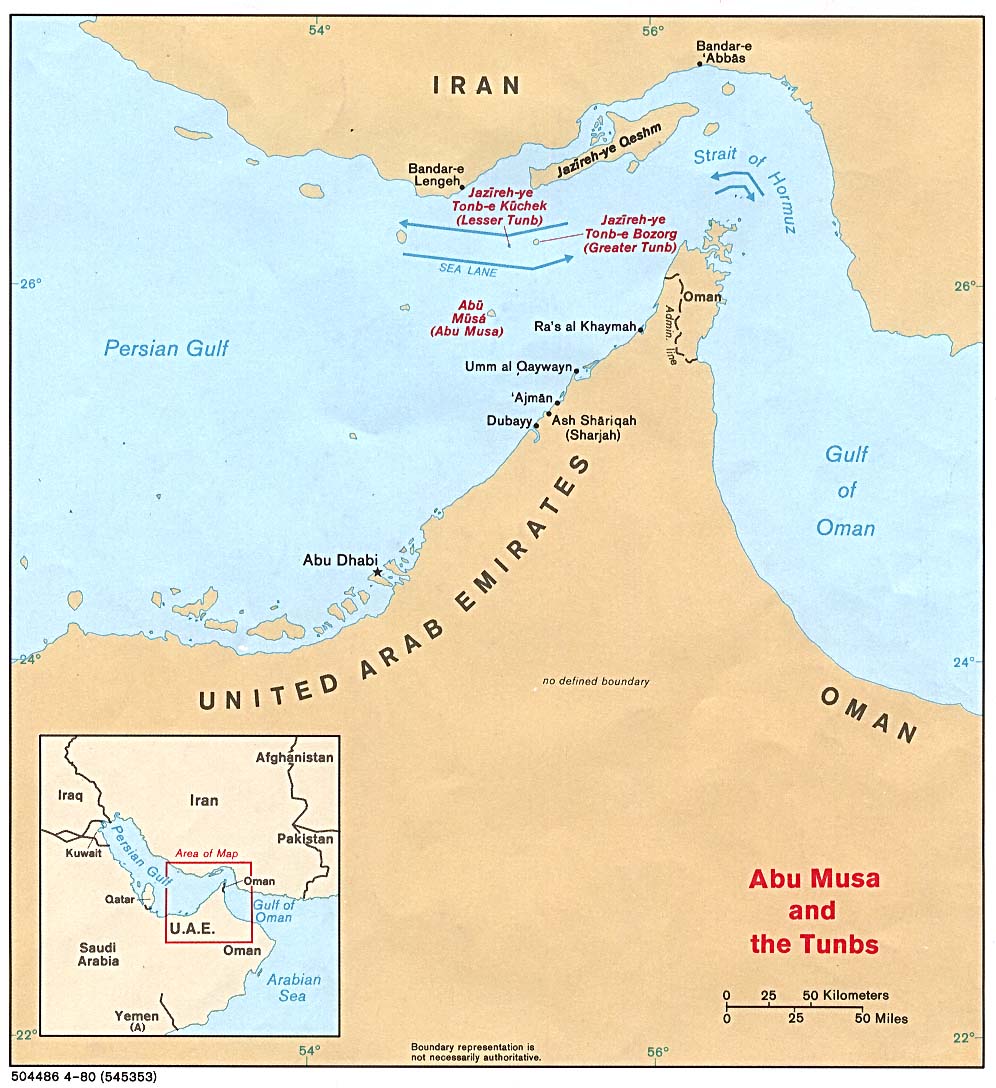
Pirates from the failed African state of Somalia have attacked at least 61 ships in and around the Gulf of Aden this year (2008), 17 of them in the first two weeks of September (2008) alone, according to the International Maritime Bureau's piracy reporting center in Malaysia. That compares with 13 attacks in the area for all of 2007.


 Source: Magna Global/Interpublic Group
Despite the lower prices, demand from the stainless-steel industry, the main consumer of the anticorrosive metal, hasn't picked up. Instead, buyers appear to be hoping for even lower prices.
Nickel producers are being squeezed by energy prices and the rising costs of sulfuric acid, a key component to extract nickel laterite ores. Sulfur prices have rocketed from an average of just more than $100 a ton last year to more than $800 a ton.




 Posts
All Comments